Friday, October 20, 1916 marks a century since Lake Erie’s “Perfect Storm.”
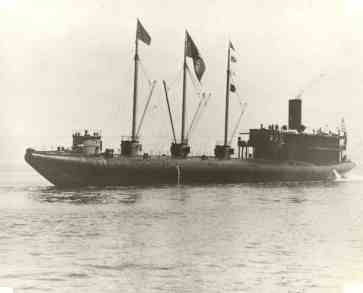
Four ships sank in the storm, including two steel steamers, the 1892 built whaleback James B. Colgate, and the 1893 built Merida. 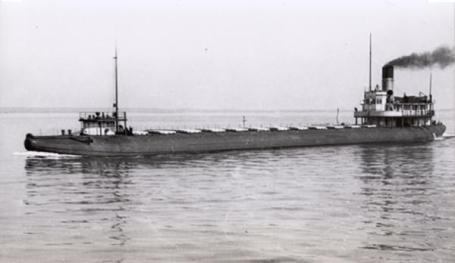
James B. Colgate (Dowling Marine Historical Collection, UDM Libraries)
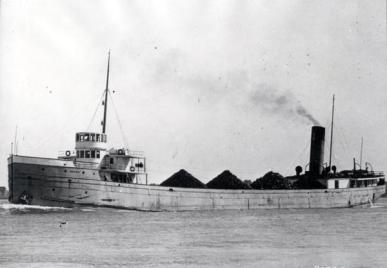
Merida (Dowling Marine Historical Collection, UDM Libraries) about 1915.
Both were modified vessels from their original configurations. The Colgate during its time with the Pittsburgh Steamship Company had her hatches modified to a conventional raised coaming, wood planks, and waxed canvas tarpaulin design. Though easing the unloading process, it violated the essential principle of the whaleback design: that water should flow unimpeded across the main deck.
Merida experienced even greater changes having its engines located closer amidships and with a small cargo hold between the stern cabins. The location for unloading damaged the propellor shaft, and the rigging for mast and cabins hampered unloading equipment.
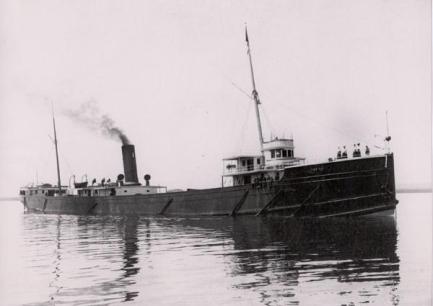 Merida as originally configured.
Though still in the bulk cargo trade, both were considered small by 1916. Only the surge in demand from the First World War kept them in the trade along with their relatively larger size compared to other 1890s vessels. Most early iron and steel steamships were sold off-Lakes to fill the gap from submarine losses in the war since they could traverse the Welland and St. Lawrence River locks and canals.
Merida had been sold earlier in 1916 to the Valley Camp Steamship Company, managed by James Playfair, the Canadian shipping magnate. She carried an American crew despite the Canadian management. Colgate was operated by a Duluth firm, having been sold from the Pittsburgh fleet.
Both ignored storm warnings, sailed into Lake Erie, and unbeknownst to the other passed in the night. Captain Walter Grashaw of the Colgate would be the sole survivor of the two ships and told of hatches giving way, water rushing into the cargo holds, and a grim struggle to survive in the stormy waters. The Merida‘s crew had no one to tell their story, only silent bodies washing ashore along the coast of Ontario’s Long Point. The desolate sands of the point covered many the bodies and remains their final resting place. Those who could be identified were sent home while others rest in Port Rowan or as far north as St. Thomas.
Those who are interested in a fuller account of the loss and the subsequent effort to identify the dead, and the politics of the Lake Carriers’ Association’s efforts on behalf of non-unionized crew, see my article: “In the Wake of Disaster: The Lake Carriers’ Association, Welfare Capitalism and the Black Friday Storm of 1916.” International Journal of Maritime History, 24 (No.2, December 2010), 145-180.
For a recent media account see:
Mlive: 100th anniversary of the Black Friday Storm
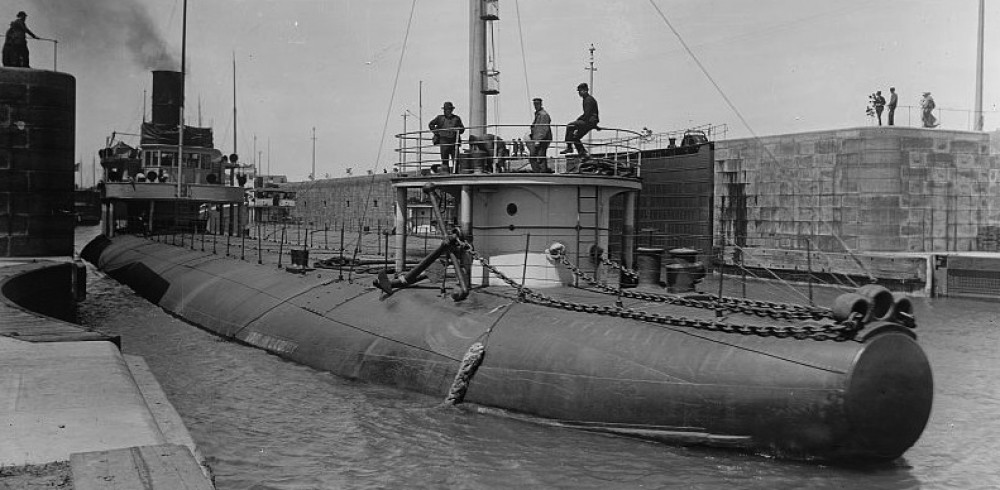
 McDougall's Whaleback